📞  — free, 24/7
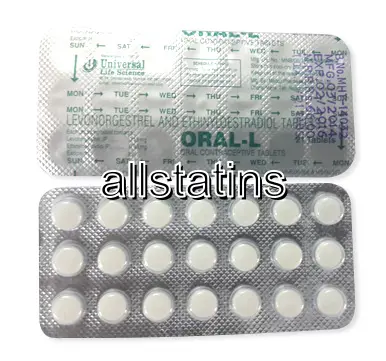
— free, 24/7 — free, 24/7Levonorgestrel / Ethinylestradiol
| Package | Price per Dose | Price | |
|---|---|---|---|
| 252 pills | $2.05 | $686.48 $514.86 Free shipping | |
| 189 pills | $2.21 | $554.92 $416.19 Free shipping | |
| 126 pills | $2.60 | $437.71 $328.28 Free shipping | |
| 84 pills | $2.94 | $330.07 $247.55 Free shipping | |
| 63 pills | $3.18 | $267.88 $200.91 Free shipping | |
| 2 pill | $3.84 | $107.62 $80.71 | |
| 252 pills | $1.87 | $626.68 $470.01 Free shipping | |
| 189 pills | $2.12 | $533.39 $400.04 Free shipping | |
| 126 pills | $2.71 | $454.46 $340.84 Free shipping | |
| 84 pills | $3.23 | $361.17 $270.88 Free shipping | |
| 63 pills | $3.57 | $298.98 $224.23 Free shipping | |
| 2 pill | $4.61 | $129.14 $96.86 |
Disclaimer: The information on this page is for general reference and should not replace medical advice from a clinician. Always follow your healthcare provider’s instructions and the official product label.
Falmina is a medication that may be prescribed by a clinician to help manage certain health conditions. The exact form, strength, and branding will depend on the product supplied and the country where it is used.
This information page is intended to provide general guidance about falmina and does not replace the official product labeling or a healthcare professional's advice. The way falmina is prepared or dispensed can vary between manufacturers, so it is important to read the patient information leaflet that comes with your medicine.
In the United States, the availability and prescription requirements for falmina can differ by product and local rules. A pharmacy listing may indicate whether a prescription is needed in your area. If you have questions about how falmina is supplied where you live, ask your pharmacist or clinician for clarification.
Keep falmina in its original container, away from children and pets. Do not share your medicine with others, even if their symptoms appear similar to yours. If you notice damage to the packaging or tablets, consult your pharmacist before using it.
Falmina may be used for conditions that a clinician determines it could help manage. The exact medical indications are determined by the product form, clinical history, and how the medicine is prescribed.
Only a clinician who reviews your medical history can decide if falmina is appropriate for you. If your condition improves or worsens while using falmina, contact your healthcare professional to discuss next steps.
If you are unsure whether falmina is the right option for you, do not rely on assumptions. Refer to the official labeling and speak with a healthcare provider who can assess your individual needs and risks.
This section provides general information and is not a substitute for professional medical advice. Your clinician will guide you on the appropriate uses, duration, and monitoring while you are taking falmina.
Falmina is designed to influence certain physiological pathways to help achieve its intended therapeutic effect. The exact action can vary depending on the specific product formulation and the condition it is intended to treat.
Medications like falmina are developed to interact with biological processes in a controlled way. The details of these interactions are described in the official product label and patient information leaflet. If you have questions about the mechanism of action as it relates to your particular prescription, your clinician or pharmacist can explain it in plain terms.
Because the exact mechanism can differ by product, it is important to rely on the documentation that accompanies your falmina product. Your healthcare professional can provide a clear explanation based on your health history and the specific product you are using.
If you need a deeper explanation of how falmina works for your situation, ask your clinician to review the labeling and provide personalized information. This can help you understand what to expect during treatment and when to seek advice.
Always follow the directions given by your clinician and on the product label. Do not alter the amount, timing, or duration of treatment without professional advice.
Take falmina exactly as prescribed. If you are unsure about how to take it, contact your pharmacist or clinician for clarification before proceeding. Do not share your medicine with others or use falmina for someone else’s condition.
Some forms of falmina are intended to be swallowed whole with a full glass of water. Others may have different instructions, such as taking with food or at a specific time of day. Check the packaging and patient information leaflet for how your particular product should be taken.
If you happen to miss a dose, refer to the label for guidance or contact your healthcare professional. Do not double up to make up for a missed dose unless advised by a clinician. If you have questions about dose timing, reach out to your pharmacist or clinician for advice.
Store instructions, refill procedures, and what to do if you experience side effects are covered in the label. Following the recommended plan helps ensure the medicine works as intended and reduces the risk of adverse effects.
Falmina may not be suitable for everyone. It is important to tell your clinician about all current medical conditions, allergies, and medicines you take, including over‑the‑counter drugs and supplements.
In certain situations, falmina may be contraindicated. This includes scenarios where the clinician determines that the potential risks outweigh the benefits, or where alternative treatments are preferred. Pregnancy status and breastfeeding plans are among the factors a clinician will consider before prescribing falmina.
People with liver or kidney problems, heart conditions, or a history of adverse reactions to similar medicines should discuss safety with their clinician. If you have any concerns about whether falmina is appropriate for you, talk with your healthcare provider before starting treatment.
If you are taking other treatments or planning to begin new medications, inform your clinician so they can assess potential interactions. This helps reduce the chance of unwanted effects or reduced effectiveness of falmina.
Read all warnings that come with the product and the patient information leaflet. The warnings are meant to help you use falmina safely and effectively.
Disclose all medicines, including vitamins, minerals, supplements, and herbal products, to your clinician. Some substances can interact with falmina and alter its effect or risk profile.
Seek urgent medical help if you notice signs of a severe allergic reaction, such as swelling, trouble breathing, or a widespread rash. Seek medical attention for any symptoms that may indicate liver, heart, or other serious issues, especially if they are new or worsening while taking falmina.
If you experience unexpected adverse effects, contact your clinician promptly. Do not assume that all side effects will go away on their own; some may require medical assessment or adjustment of the treatment plan.
Like all medicines, falmina can cause side effects in some people. The vast majority of people do not experience serious problems, but it is important to recognize potential symptoms.
Common side effects are usually mild and may include gastrointestinal upset, mild headaches, or dizziness. These effects often resolve as the body adjusts to the medicine, but you should contact a clinician if they persist or worsen.
If you notice persistent or severe side effects, such as a widespread rash, swelling, difficulty breathing, fainting, or signs of liver or heart issues, seek medical attention promptly. This information is not a complete list of possible side effects, so discuss any new symptoms with a healthcare professional.
Ask your pharmacist or clinician about a full list of potential side effects and what to do if you experience them. They can help you assess the risks and provide guidance on how to manage symptoms if they occur.
Falmina can interact with other medicines, supplements, or certain foods. Interactions may change how falmina works or increase the risk of adverse effects.
Always tell your clinician about all medicines you take, including prescription drugs, over‑the‑counter products, vitamins, and herbal supplements. Keeping an up‑to‑date list helps reduce the chance of interactions.
If you are taking other medicines or planning to start new therapies, consult with your clinician or pharmacist before combining falmina with them. In some cases, timing or dosing adjustments may be needed to maintain safety and effectiveness.
Do not start, stop, or modify other medicines without medical advice. If you notice any unusual symptoms after starting falmina with another drug, contact your clinician for guidance.
Safety during pregnancy is a key consideration whenever a medicine is used. Do not take falmina during pregnancy unless a clinician has determined that it is appropriate for you and your condition.
If you are pregnant or may become pregnant, discuss potential risks and alternatives with your healthcare provider before starting or continuing falmina. They can help weigh the benefits and any potential risks to the fetus.
Breastfeeding: some medicines pass into breast milk. If you are breastfeeding or plan to nurse, check with your clinician about falmina’s safety and any recommended monitoring for the infant.
If you become pregnant while using falmina, contact your clinician promptly to discuss next steps and whether a different treatment approach is warranted.
Results can vary based on the condition being treated and the product formulation. Some people notice changes within days to weeks, while others may require longer. If you do not observe any improvement after the clinician‑specified period, contact them for guidance.
Do not double up to make up for a missed dose. Take the next dose at your usual time if it is not too close to the following dose. If you are unsure, contact your clinician or pharmacist for advice.
Discuss all medicines and supplements with your clinician before combining them with falmina. Some interactions may affect how the medicine works or increase the risk of side effects. Keep an updated list of everything you take and share it with your healthcare team.
Avoid or limit alcohol unless your clinician specifically says it is safe. Alcohol can interact with certain medicines and affect how well falmina works or increase side effects. If you have questions, ask your clinician or pharmacist.
Do not take falmina during pregnancy unless a clinician has determined it is appropriate for your situation. If you are pregnant or planning a pregnancy, discuss risks and alternatives with your healthcare provider.
Breastfeeding safety depends on the specific product. Check with your clinician about whether falmina is appropriate while nursing and what monitoring may be needed for the baby.
Common side effects are typically mild and may include stomach upset, headache, or dizziness. If these symptoms persist or become bothersome, speak with a healthcare professional.
Seek urgent medical help if you experience signs of a severe allergic reaction, such as trouble breathing, swelling of the face or tongue, or a widespread rash. Also contact a clinician for signs of liver, heart, or other serious issues that are new or worsening.
Store falmina as directed on the label, typically at room temperature away from moisture and heat. Keep the medication in its original container and out of reach of children and pets.
Falmina may require a prescription depending on local rules and the specific product. Check with your pharmacist or clinician to confirm whether a prescription is needed in your area.
The duration of treatment is determined by your clinician. Do not stop taking falmina without medical advice, and do not adjust the length of therapy on your own. If you have concerns about the length of treatment, discuss them with your clinician.
This page provides general information about falmina and is not a substitute for medical advice. For precise and up-to-date details, always refer to the official product labeling and consult your healthcare professional.
Your pharmacist can help explain how falmina should be used in your specific case, clarify any questions about interactions, and provide guidance on safe storage and disposal. If you have ongoing questions after reading the labeling, contact a healthcare professional for personalized advice.
14–21 days. Free from $200.00 .
5–9 days. $30.00
−10% when paying with cryptocurrency.
−10% on all repeat orders.
All orders are packed in neutral, unbranded boxes with no product name on the outside.