📞  — free, 24/7
— free, 24/7 — free, 24/7Medications and supportive treatments for Parkinson’s disease motor and non‑motor symptoms, such as levodopa formulations, dopamine agonists, MAO‑B and COMT inhibitors, amantadine, anticholinergics, patches and symptomatic therapies for sleep, mood, and autonomic issues.
Medications and supportive treatments for Parkinson’s disease motor and non‑motor symptoms, such as levodopa formulations, dopamine agonists, MAO‑B and COMT inhibitors, amantadine, anticholinergics, patches and symptomatic therapies for sleep, mood, and autonomic issues.
Parkinson's disease is a progressive neurological condition that affects movement and coordination. Medicines in this category are used to manage the motor symptoms that arise from reduced dopamine activity in certain areas of the brain. Treatments aim to improve daily function by reducing tremor, stiffness, slowness of movement and balance problems, and they are part of a broader care plan that may include physical therapy and lifestyle adjustments.
Medications in this section are commonly prescribed to address specific symptom patterns and to improve overall mobility. Some drugs are used early in the course of the condition to delay the need for stronger therapies, while others are introduced or adjusted as symptoms change over time. Many people notice improvements in walking, hand coordination and the ability to perform everyday tasks when an appropriate medication regimen is established.
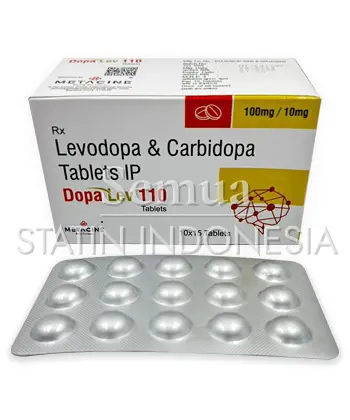
There are several main types of Parkinson’s medicines. Levodopa formulations, often combined with agents that enhance its effect, are the most widely used for controlling core motor symptoms. Dopamine agonists act on the same pathways as dopamine and can be an option for younger patients or for certain symptom profiles. Monoamine oxidase B (MAO-B) inhibitors and catechol-O-methyltransferase (COMT) inhibitors modify dopamine metabolism to prolong its benefit. Anticholinergic agents and drugs with other mechanisms, such as amantadine, can be used for specific problems like tremor or dyskinesia. Examples that are frequently recognized in clinical practice include levodopa/carbidopa preparations, dopamine agonists such as pramipexole and ropinirole, MAO-B inhibitors like selegiline, and older anticholinergic medicines.
Safety considerations are important because these medicines can have side effects and interactions that affect daily life. Reported effects vary by drug class and may include nausea, lightheadedness when standing, sleepiness, vivid dreams, mood changes, involuntary movements and hallucinations. Response to treatment is individual, and some side effects are dose related or develop over time. It is common for dosing schedules and combinations to be adjusted to balance symptom relief with tolerability.
When selecting a product from this category, people typically weigh several practical factors. These include how well a medicine controls the specific symptoms they experience, how often doses must be taken, the likelihood of particular side effects, and whether a formulation offers immediate or extended release. Formulation options such as controlled-release tablets or shorter-acting preparations are considered based on daily routines and symptom fluctuations.
Information needs for patients and caregivers often focus on expected benefits, how quickly improvements may be noticed, and what to watch for in terms of side effects or changes in symptom patterns. Many users also consider how a medicine fits with other health conditions and any other medications they are taking. Reliable labeling and clear guidance from a healthcare professional help people make informed choices that match their symptoms and lifestyle while minimizing unwanted effects.