📞  — free, 24/7
— free, 24/7 — free, 24/7Medications and supplements for preventing and managing osteoporosis, including prescription and over-the-counter bone-strengthening drugs (bisphosphonates, SERMs, calcitonin), calcium and vitamin D, bone-density support products, and related fracture-prevention aids.
Medications and supplements for preventing and managing osteoporosis, including prescription and over-the-counter bone-strengthening drugs (bisphosphonates, SERMs, calcitonin), calcium and vitamin D, bone-density support products, and related fracture-prevention aids.
Osteoporosis medicines target the prevention and treatment of weakened bones that are more prone to fractures. These products work either by slowing the loss of bone tissue, improving bone formation, or by supplying the minerals and hormones the body needs to maintain bone strength. The term covers a range of drug classes and supplements that are commonly used in older adults, postmenopausal women, and others with clinical risk factors for low bone density or fractures.
Common situations prompting use of these medicines include a diagnosis of low bone mineral density, a history of fragility fractures, or conditions and treatments that accelerate bone loss. They may be given as a long-term preventive strategy after assessment of fracture risk, as treatment after a fracture has occurred, or as supportive therapy in people receiving medications such as long-term glucocorticoids that can reduce bone mass. Choice and timing depend on individual risk profiles and the goals of therapy.
The types of products found in this category include oral and injectable antiresorptive agents that slow bone breakdown, bone-forming agents that stimulate new bone production, vitamin D analogues that assist calcium metabolism, and calcium supplements that provide an essential building block for bone. Antiresorptives commonly used are bisphosphonates, while active vitamin D formulations and calcium salts are frequently prescribed to support overall bone health alongside other treatments.
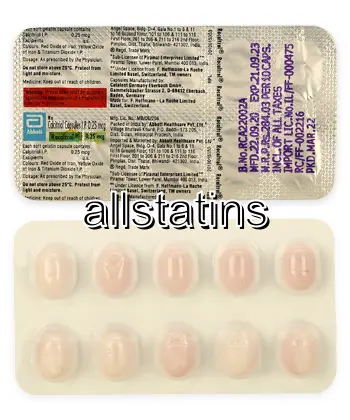
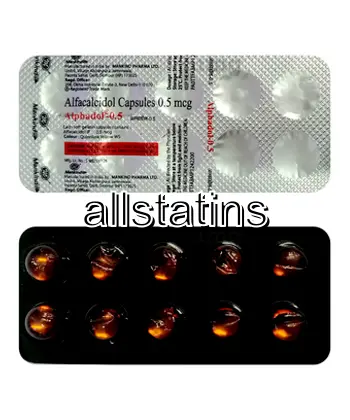
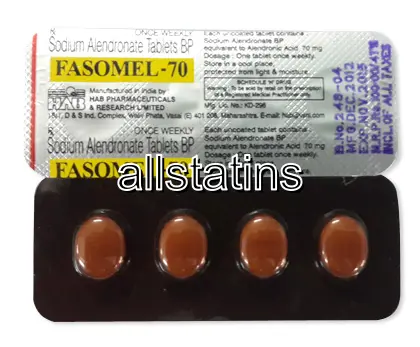
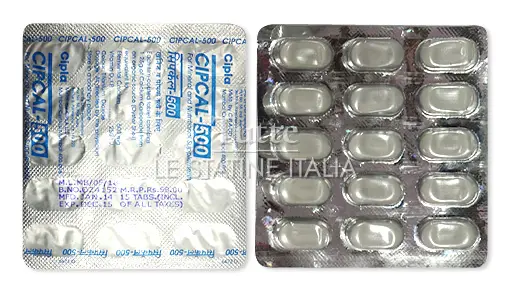
Typical medicines that illustrate these approaches are alfacip, a vitamin D analogue used to help regulate calcium metabolism; calcium carbonate, a widely used calcium supplement that contributes to dietary calcium intake; fosamax, a bisphosphonate taken to reduce bone resorption; and rocaltrol, an active form of vitamin D that can be used when enhanced calcium absorption is needed. These examples reflect different mechanisms — supplementation, metabolic regulation, and reduction of bone loss — that together address various aspects of osteoporosis management.
Safety considerations for osteoporosis medicines involve awareness of potential side effects, interactions with other medications, and the need for monitoring in certain situations. Commonly reported issues range from gastrointestinal discomfort with some oral agents to changes in blood levels of calcium with vitamin D-related products. Some treatments may require periodic laboratory tests or dental evaluations before or during therapy, and the balance between benefits and possible risks is typically evaluated by a healthcare professional.
When selecting a product from the osteoporosis category, people often look for factors such as the treatment goal (prevention versus active fracture reduction), route of administration (oral versus injectable), dosing frequency, tolerability profile, and compatibility with other medications or medical conditions. Practical considerations like tablet size, whether a medicine must be taken on an empty stomach, and the need for ongoing monitoring can also influence preference. Decisions are usually made based on clinical assessment, individual risk factors, and practical needs rather than on product names alone.