📞  — free, 24/7
— free, 24/7 — free, 24/7Medications and supplies for managing gout: acute attack relief (NSAIDs, colchicine), long-term uric acid control (allopurinol, febuxostat, uricosurics), pain and inflammation management, plus supportive products and guidance for prevention and symptom control.
Medications and supplies for managing gout: acute attack relief (NSAIDs, colchicine), long-term uric acid control (allopurinol, febuxostat, uricosurics), pain and inflammation management, plus supportive products and guidance for prevention and symptom control.
Medications in the gout category are intended to treat the symptoms and underlying causes of gout, a form of arthritis that arises when uric acid crystals accumulate in joints and surrounding tissues. Some products are designed to relieve the intense pain and inflammation that occur during an acute flare, while others work over time to lower blood uric acid and reduce the frequency of attacks. This group of medicines therefore spans both short‑term symptom control and longer‑term preventive therapy, and the choice of an individual product depends on whether the immediate goal is pain relief or urate management.
Common use cases include rapid management of an active gout attack and ongoing therapy to prevent future episodes. During a flare, clinicians commonly use anti‑inflammatory agents to reduce swelling and discomfort; for longer‑term control, medications that lower uric acid levels are prescribed to decrease crystal formation and the risk of further joint damage. Some treatments are also used temporarily when starting a long‑term urate‑lowering drug to reduce the chance of triggering flares, so it is not unusual for a patient to be given more than one type of medicine at different stages of care.
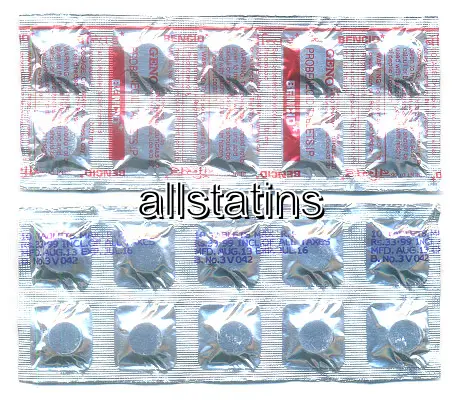
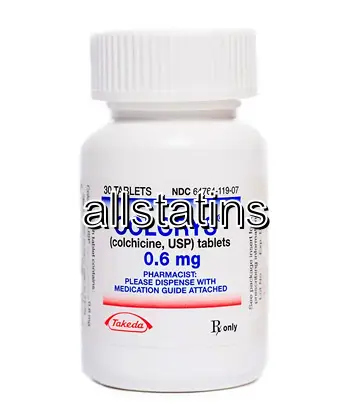
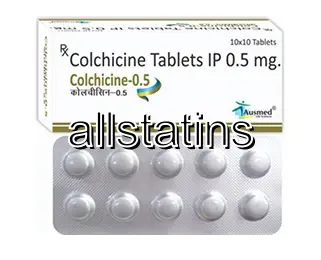
The main types of medicines found in this category include urate‑lowering therapies and agents that target the inflammatory response. Xanthine oxidase inhibitors, such as allopurinol (also marketed as zyloprim), reduce the body’s production of uric acid. Uricosuric medicines, exemplified by probenecid (Benemid), help the kidneys remove uric acid more effectively. Colchicine (sometimes known under brand names such as Colcrys) is an anti‑inflammatory option commonly used for acute flares and, at lower doses, for prevention in some patients. In practice, these specific agents are often accompanied by broader anti‑inflammatory medicines prescribed by clinicians for symptomatic relief.
General safety considerations for gout medicines reflect differences in how they act and the potential for side effects or interactions. Gastrointestinal upset is a relatively common issue with some anti‑inflammatory agents, while drugs that alter uric acid balance can occasionally affect kidney or liver function and may require monitoring. Allergic reactions and rare but serious skin reactions have been reported with certain urate‑lowering drugs. Interactions with other medicines, including some antibiotics and cardiovascular drugs, are possible, so health professionals typically review a person’s medication list before recommending a gout therapy. Patient information leaflets and professional guidance provide details about expected effects and precautions.
>When comparing products in this category, users often consider whether the medication is intended for immediate relief or long‑term prevention, how quickly it works, dosing schedule, potential side effects, and whether monitoring is needed. Prescription status is another key factor because many gout treatments require a clinician’s assessment and follow‑up. Formulation and ease of use, such as tablet strength and frequency, can affect adherence. Additionally, the availability of generic options and the history of a specific medicine’s use in clinical practice may influence preferences, as can any personal health factors that affect suitability for particular classes of drugs.