📞  — free, 24/7
— free, 24/7 — free, 24/7Medications used to treat and prevent parasitic infections in humans, including anthelmintics and antiprotozoals for intestinal worms, scabies, lice and certain protozoal infections. Available as oral or topical formulations; may need a prescription.
Medications used to treat and prevent parasitic infections in humans, including anthelmintics and antiprotozoals for intestinal worms, scabies, lice and certain protozoal infections. Available as oral or topical formulations; may need a prescription.
Antiparasitic medicines are a group of pharmaceutical products designed to treat infections caused by parasitic organisms. These organisms include microscopic protozoa and larger multicellular parasites such as roundworms, tapeworms and flukes. The category covers systemic agents that work inside the body as well as topical preparations that act on skin-dwelling parasites. Products in this class are used to reduce or eliminate the organisms that cause symptomatic and asymptomatic parasitic infections in humans.
Common use cases include treatment of intestinal worm infections, tapeworm and fluke infestations, certain protozoal gastrointestinal infections, and external infestations such as scabies or lice. Antiparasitic medicines are frequently used in regions where particular parasites are endemic, in travel medicine for people returning from areas with higher parasite risk, and in outbreak settings. Some agents are also used in mass drug administration programs to control parasite prevalence at the population level.
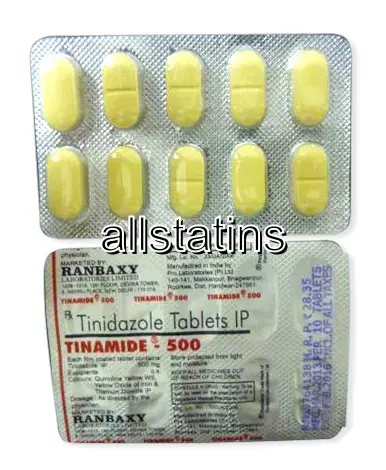
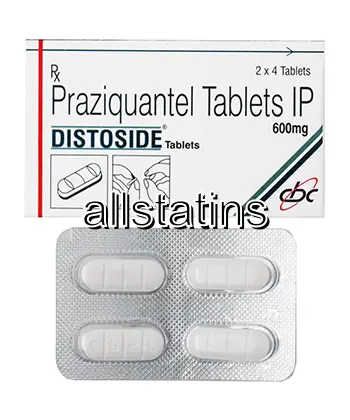
There are several types of agents within this category, reflecting differences in the parasites targeted and the way the drugs work. Anthelmintics, for example, act against worms and include active ingredients such as albendazole and mebendazole as well as ivermectin and praziquantel. Antiprotozoals are intended for single‑celled parasites and include compounds such as tinidazole. Topical antiparasitics and pediculicides are formulated for skin or hair application to treat scabies and lice. Treatment choice depends on the parasite species, site of infection and patient characteristics.
Safety considerations are an important part of using antiparasitic medicines. Side effects vary by drug and can include gastrointestinal upset, headache, dizziness, and allergic reactions. Certain agents have specific safety warnings or contraindications in particular populations; for example, some medications are not recommended during pregnancy or have age-related restrictions. Interactions with other medications and the patient’s overall health status can influence tolerability and effectiveness, so regulatory labeling and clinical guidance commonly note these factors.
Formulations and dosing regimens differ across products: some treatments are single doses, others require short courses, and a few involve repeated or longer-term therapy for persistent or complicated infections. Oral tablets are the most common delivery form for systemic infections, while creams, lotions and shampoos are typical for topical applications. Diagnostic testing before and after treatment, such as stool examination or other laboratory tests, is often part of the clinical process used to confirm infection and assess treatment response.
When people compare antiparasitic options, key considerations typically include the specific parasite being targeted, the expected effectiveness against that organism, the dosing schedule and formulation (oral versus topical), the safety profile for the individual patient, and any regulatory or prescription requirements. Additional practical concerns include product authenticity, clear labeling, appropriate age or pregnancy information, and availability of pediatric formulations. Clear, factual product information and regulatory approval status are commonly used to help match a medicine to a particular clinical situation.