📞  — free, 24/7
— free, 24/7 — free, 24/7Migraine treatments for relief and prevention, including over-the-counter pain relievers, triptans, anti-nausea medications, preventive prescriptions (beta-blockers, anticonvulsants, CGRP agents), nasal sprays, injectables, supplements and devices to manage frequency and symptoms.
Migraine treatments for relief and prevention, including over-the-counter pain relievers, triptans, anti-nausea medications, preventive prescriptions (beta-blockers, anticonvulsants, CGRP agents), nasal sprays, injectables, supplements and devices to manage frequency and symptoms.
The Migraine category gathers medicines used to treat and prevent migraine, a neurological disorder characterized by recurrent, often throbbing headaches that can be accompanied by sensitivity to light, sound, nausea, and visual disturbances. Products in this section range from over‑the‑counter pain relievers to prescription treatments designed specifically for migraine mechanisms. The collection is organized to reflect different approaches — immediate symptom control, prevention of future attacks, and supportive care for associated symptoms such as nausea.
Medications are commonly used in two main ways: acute (abortive) treatment to stop or reduce the severity of an attack once it starts, and preventive (prophylactic) treatment to lower the frequency, duration, or intensity of attacks when headaches are frequent or disabling. Acute options are selected for speed of onset and effectiveness for an individual attack, while preventive options are chosen based on long‑term tolerability and impact on attack frequency. Some products may also be used off‑label for related headache disorders or to manage complications of migraine.
The category includes several classes of medicines familiar to people managing migraine. Simple analgesics and nonsteroidal anti‑inflammatory drugs (NSAIDs) such as acetaminophen (paracetamol), ibuprofen and naproxen are often used for mild to moderate attacks. Triptans — a class developed specifically for migraine — include sumatriptan, rizatriptan and eletriptan and are among the most commonly prescribed acute treatments. Older ergots such as dihydroergotamine, antiemetics like metoclopramide or prochlorperazine for nausea, newer small‑molecule CGRP receptor antagonists such as rimegepant and ubrogepant, and monoclonal antibodies targeting the CGRP pathway (for example erenumab or fremanezumab) represent more targeted prescription options. Preventive agents may involve medicines widely used for other conditions, including certain beta‑blockers (propranolol), anticonvulsants (topiramate), and tricyclic antidepressants (amitriptyline), as well as onabotulinumtoxinA injections for specific chronic migraine patterns.
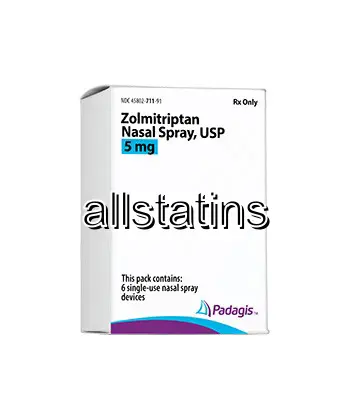
These medicines are available in different formulations and routes to suit varying needs. Oral tablets and capsules are common for both acute and preventive therapies. Fast‑acting options include orally dissolving tablets, nasal sprays and subcutaneous injections that can be useful when nausea or rapid onset is an issue. Preventive therapies are typically taken regularly by mouth, administered by injection at defined intervals, or given by a healthcare professional in a clinic setting. Over‑the‑counter products are generally intended for occasional acute use, whereas many targeted migraine treatments require prescription access.
Safety profiles differ substantially across classes. Some acute treatments can cause side effects such as drowsiness, gastrointestinal upset or sensations of pressure, while certain migraine‑specific drugs have contraindications related to cardiovascular health or interactions with other medications. Preventive treatments may carry risks such as mood changes, weight fluctuations, or organ‑specific monitoring requirements depending on the agent. Because of these varied considerations, products in this category are accompanied by information about common side effects, contraindications and the need for appropriate medical oversight for prescription medicines.
When comparing options, users commonly weigh factors such as how quickly a medicine relieves symptoms, how long relief lasts, the potential for side effects, ease of use and whether a prescription is required. Prior personal experience with a medicine, the presence of coexisting medical conditions, and the frequency of attacks also influence choices. Insurance coverage, local availability and the convenience of different formulations are practical considerations for many people managing migraine over time.