📞  — free, 24/7
— free, 24/7 — free, 24/7Products for maintaining bladder and urinary tract health, including UTI symptom relief, preventive supplements, urinary pain and urgency treatments, incontinence care, diagnostic tests and supportive aids. Information covers uses, ingredients and safety considerations.
Products for maintaining bladder and urinary tract health, including UTI symptom relief, preventive supplements, urinary pain and urgency treatments, incontinence care, diagnostic tests and supportive aids. Information covers uses, ingredients and safety considerations.
Medications for urinary health address a range of conditions affecting the bladder, urethra and, in men, the prostate. This category covers drugs intended to modify bladder muscle activity, relax smooth muscle in the urinary tract, relieve spasms, or ease symptoms caused by prostate enlargement. Products in this area are aimed at improving control over urination, reducing urgency and frequency, and alleviating the discomfort associated with urinary tract function changes.
Common use cases include management of overactive bladder and urge incontinence, treatment of bladder spasms, and relief of lower urinary tract symptoms related to benign prostatic hyperplasia (BPH) such as weak stream or incomplete emptying. Some medicines are used for short-term symptom control after urological procedures, while others are intended for ongoing symptom management. The intended outcome varies by medicine: reducing leakage episodes, decreasing the number of nighttime trips to the bathroom, or improving urine flow.
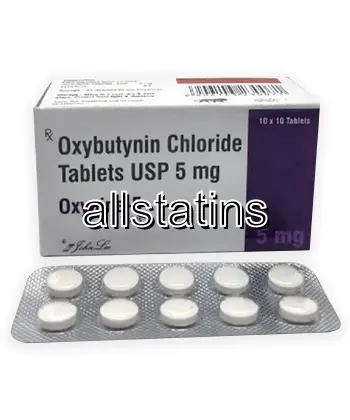
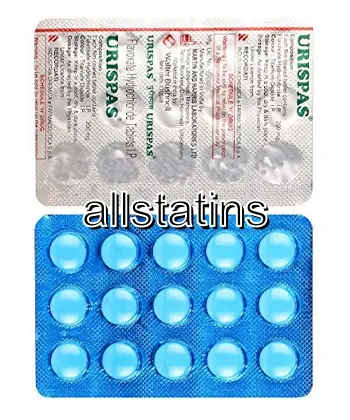
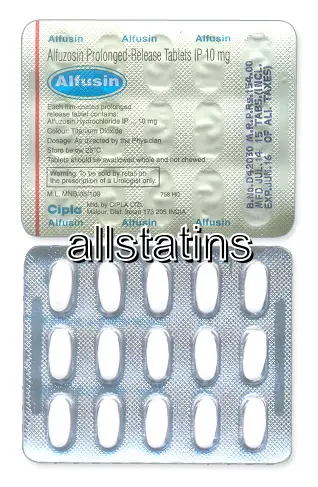
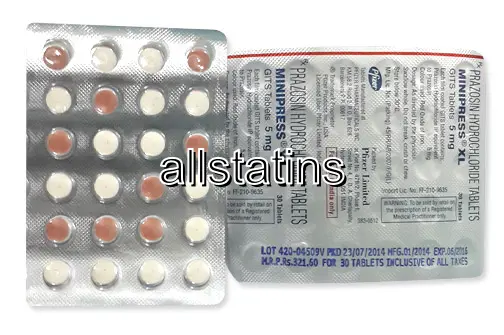
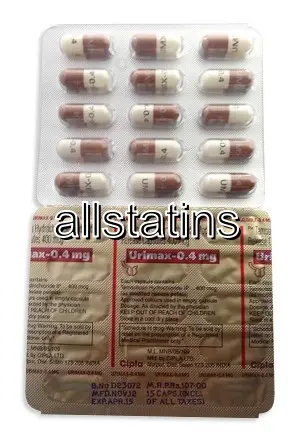
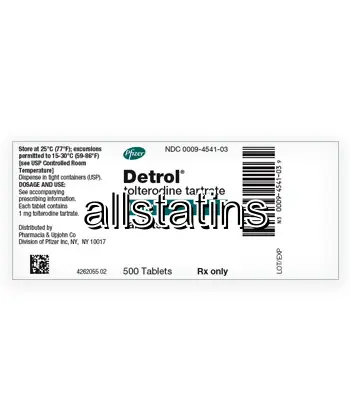
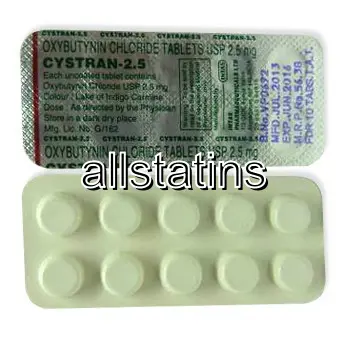
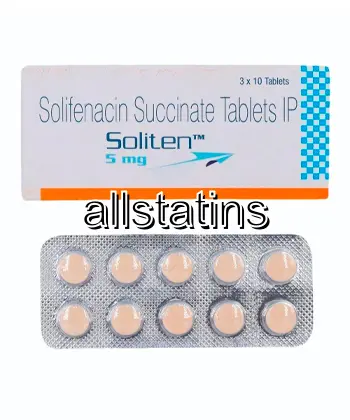
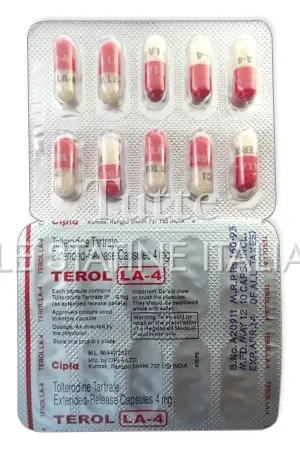
Several therapeutic classes appear in this category. Antimuscarinic (anticholinergic) agents such as tolterodine (often sold as extended‑release formulations) and oxybutynin are commonly used to calm an overactive bladder. Selective agents like solifenacin work on similar pathways with different side‑effect profiles. Alpha‑1 blockers, including tamsulosin, alfuzosin, terazosin and prazosin, relax smooth muscle in the prostate and bladder neck to ease urinary flow in men with BPH. Antispasmodics such as flavoxate target bladder muscle spasms. Transdermal patches and extended‑release tablets are examples of formulation options within the category.
Formulation and route of administration are important aspects for users. Immediate‑release tablets, extended‑release (long‑acting) formulations, and transdermal patches are available to suit individual preferences for dosing frequency and steadiness of effect. Some products are designed for nightly use, others for once‑daily dosing, and patches provide a continuous delivery option. Combination approaches are sometimes used to address multiple symptoms, for example pairing an agent that improves flow with one that reduces urgency, depending on the clinical situation.
Safety considerations vary by drug class. Antimuscarinic drugs are associated with effects such as dry mouth, constipation, blurred vision and, in some individuals—particularly older adults—possible cognitive effects. Alpha‑adrenergic blockers can cause dizziness or decreases in blood pressure, especially when standing. All medicines have potential interactions with other drugs and may carry specific warnings for pregnancy, breastfeeding or particular medical conditions. Availability ranges from prescription‑only to products that may be available over the counter in certain regions.
When comparing options, people typically weigh which symptoms they most want to address, the likely side‑effect profile, the convenience of the dosing form and whether a product is prescription or nonprescription. Other practical considerations include prior experience with similar medicines, suitability for long‑term use, and compatibility with other medications taken for chronic conditions. Well‑known examples of medicines encountered in this category include tolterodine (available in immediate and extended‑release forms), oxybutynin in oral and patch formulations, solifenacin, and several alpha‑blockers such as tamsulosin and alfuzosin, as well as agents marketed for bladder spasm relief.