📞  — free, 24/7
— free, 24/7 — free, 24/7Medications and supplies for diagnosis and management of thyroid disorders, including hormone replacement therapies for hypothyroidism, antithyroid agents and adjunctive treatments for hyperthyroidism, plus specialty formulations and monitoring aids for ongoing care.
Medications and supplies for diagnosis and management of thyroid disorders, including hormone replacement therapies for hypothyroidism, antithyroid agents and adjunctive treatments for hyperthyroidism, plus specialty formulations and monitoring aids for ongoing care.
Thyroid medicines manage conditions related to the thyroid gland, a small organ in the neck that produces hormones regulating metabolism, energy use, and many body processes. Products in this category supply or modify thyroid hormones to restore balance when the gland is underactive, overactive or has been surgically removed. These medicines are intended to normalize hormone levels so basic bodily functions can operate within a healthy range.
Common clinical situations for thyroid medicines include primary hypothyroidism, where the gland does not produce enough hormone; replacement therapy after partial or total removal of the thyroid; and suppression therapy in some nodular or cancer-related conditions. Treatment may also address congenital hypothyroidism in infants and temporary thyroid dysfunction following inflammation of the gland. Each use involves different monitoring and therapeutic goals.
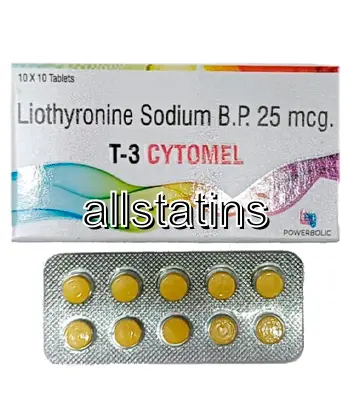
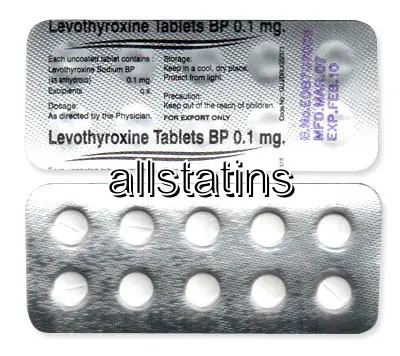
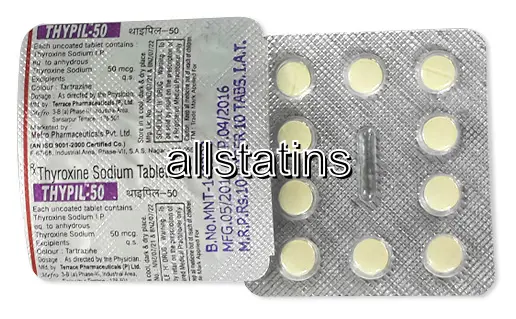
Medications are available that provide the main thyroid hormones or combinations of them. Levothyroxine preparations supply synthetic T4 and are the most frequently used replacement therapy, with examples such as Synthroid and Levothroid. Liothyronine provides synthetic T3 and is represented by products like Cytomel. There are also combination formulations and desiccated thyroid extracts derived from animal sources; formulations vary in strength and delivery form, including tablets and liquid preparations for specific patient needs.
How these medicines are used depends on the active hormone, formulation and the clinical goal. Some therapies are taken once daily to maintain steady levels of thyroid hormone, while others may be adjusted more frequently. Laboratory measurements of thyroid-stimulating hormone (TSH) and thyroid hormone levels are commonly used to evaluate response and guide dosing. Stability of medication supply and consistent use of the same formulation can be important to maintain predictable hormone levels.
Safety considerations involve the balance between too little and too much thyroid hormone. Symptoms of under-replacement and over-replacement differ and can affect energy, weight, heart rate and bone health. Several medicines and supplements may influence absorption or effectiveness, and some patients require dose adjustments over time, for example during pregnancy or with changes in other medications. Consistent product quality, awareness of potential interactions and appropriate laboratory monitoring contribute to safer use.
When choosing a thyroid medicine people typically compare available strengths and formulations, whether the product provides T4, T3 or a combination, and whether a synthetic or animal-derived option is preferred. Other practical factors include how reliably a specific product maintains its labeled potency, ease of administration for children or those with swallowing difficulties, prescription status and any special storage requirements. Decisions about initiation, switching or dose changes are made by healthcare professionals based on testing and individual health circumstances.