—
— 
| Dosage | Package | Price per Dose | Price | ||
|---|---|---|---|---|---|
| 300mg | 90 pill | $1.70 | $171.41 $154.27 | Best Price Popular | |
| 300mg | 60 pill | $1.85 | $123.57 $111.21 | ||
| 300mg | 30 pill | $2.30 | $75.73 $68.15 |
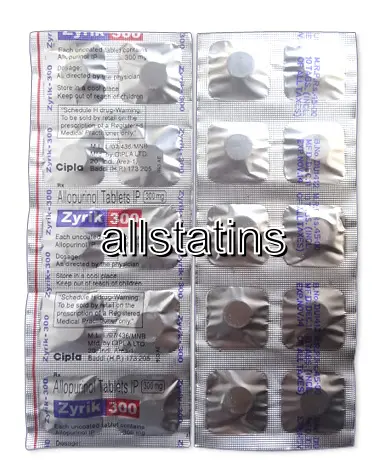
Allopurinol is a widely used medication in the United States for managing gout and certain types of kidney stones. It belongs to a class of drugs called xanthine oxidase inhibitors. By reducing the production of uric acid in your body, it helps prevent uric acid buildup that leads to painful gout attacks and other related conditions.
When you take allopurinol, it works by inhibiting an enzyme called xanthine oxidase. This enzyme is responsible for converting purines into uric acid. With less uric acid being produced, the risk of crystal formation in joints and tissues decreases. Patients often find that their gout flare-ups occur less frequently and with less severity after starting therapy with allopurinol.
Typically, allopurinol is prescribed once daily, but the exact dose depends on your medical condition and response to treatment. It is essential to follow your healthcare provider’s instructions carefully. Your doctor may start you on a low dose and gradually increase it to minimize side effects and ensure optimal uric acid control. Regular blood tests are usually required to monitor uric acid levels and kidney function during treatment.
Many patients in the US have found allopurinol effective in reducing the frequency and severity of gout attacks. Long-term use can also prevent the formation of kidney stones caused by uric acid. By keeping uric acid levels low, allopurinol helps protect joint health and reduces the risk of joint damage caused by recurrent gout.
While allopurinol is generally well-tolerated, some individuals may experience side effects. Common mild issues include rash, nausea, or diarrhea. In rare cases, serious allergic reactions or skin conditions like Stevens-Johnson syndrome may occur. It's crucial to inform your doctor immediately if you notice any unusual symptoms or skin reactions.
People with kidney problems should inform their healthcare providers before starting allopurinol, as dose adjustments might be necessary. Allopurinol can interact with other medications such as azathioprine or mercaptopurine, so always share your full medication list with your doctor. During therapy, staying well-hydrated is important to help prevent kidney stones and other complications.
Many users in the US have reported that allopurinol has significantly improved their quality of life. They note fewer gout attacks and relief from joint pain after consistent use. However, some mention initial side effects like rashes or stomach upset, which often resolve with dose adjustments. Overall, patient reviews suggest that with medical supervision, allopurinol is an effective option for long-term management of gout and hyperuricemia.
14–21 days. Free from $200.00 .
5–9 days. $30.00
−10% when paying with cryptocurrency.
−10% on all repeat orders.
All orders are packed in neutral, unbranded boxes with no product name on the outside.